


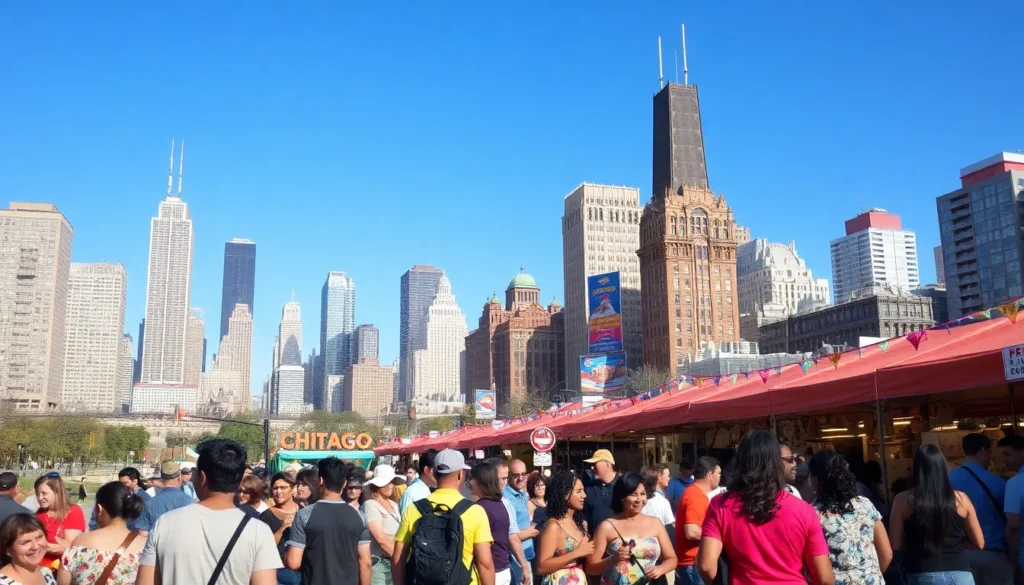
The Midwest often gets a bad rap as the land of cornfields and cows, but it’s so much more than that. This region is a delightful mix of friendly folks, vibrant cities, and stunning landscapes. If you’ve ever wondered which states make up this heartland treasure, you’re in for a treat. Spoiler alert: it’s not just about the cheese and the football!
Overview Of The Midwest Region
The Midwest region consists of twelve states known for their rich culture and heritage. Commonly, these states include Illinois, Indiana, Iowa, Michigan, Minnesota, Missouri, Ohio, and Wisconsin. Each state contributes its unique characteristics to the Midwestern identity.
Major cities like Chicago in Illinois and Minneapolis in Minnesota serve as cultural hubs. Vibrant arts scenes, diverse cuisines, and lively events highlight urban life throughout the region. Outdoor activities in states like Michigan and Wisconsin showcase beautiful lakes and rolling landscapes.
Economically, the Midwest plays a crucial role in agriculture. It produces significant amounts of corn, soybeans, and livestock, affirming its reputation as the nation’s breadbasket. Manufacturing also exists, especially in states like Indiana and Ohio, where industries thrive.
The people of the Midwest reflect a distinct spirit of friendliness and community. Residents often take pride in their heritage, fostering strong connections within neighborhoods. Festivals celebrating local traditions and foods occur throughout the year.
Culturally, the Midwest boasts a rich tapestry of influences. From music festivals highlighting jazz and blues to historic landmarks representing its diverse history, the region offers something for everyone. Celebrations such as the Iowa State Fair draw visitors from across the country.
Understanding the Midwest requires looking beyond stereotypes. This region combines agricultural majesty with urban vibrancy, creating a unique American experience. Embracing the diverse offerings reassures visitors of the richness that defines Midwestern life.
Defining The Midwest

The Midwest embodies a unique blend of history, geography, and culture. Recognizing its significance requires understanding the components that establish its identity.
Historical Context
The Midwest’s history traces back to Indigenous peoples and early European settlers. Settlements began changing dramatically in the 19th century due to agriculture and industry. The arrival of the railroad propelled economic growth, connecting rural areas to urban centers. Immigration waves also shaped the region, with Germans, Irish, and Poles settling in large numbers. Major historical events, such as the Homestead Act, led to increased farming and population density. As a result, the Midwestern landscape transformed, reflecting the diverse cultures contributing to the community’s character.
Geographical Boundaries
Geographically, the Midwest comprises twelve states situated between the Mississippi River and the Appalachian Mountains. This region includes Illinois, Indiana, Iowa, Michigan, Minnesota, Missouri, Ohio, and Wisconsin. The Great Lakes frame the northeast boundary, while the plains stretch across the west. Unique climate patterns feature cold winters and warm summers, fostering rich agricultural opportunities. Topography varies, with flat lands and rolling hills providing diverse landscapes. Identifying the Midwest ultimately involves understanding its natural borders and abundant resources.
List Of Midwest States
The Midwest comprises a diverse set of states known for their unique characteristics and contributions. Key states in this region include:
Traditional Midwest States
Traditional Midwest states are widely recognized and typically consist of the following:
- Illinois: Home to vibrant Chicago, known for its architecture and cultural scene.
- Indiana: Famous for the Indianapolis 500 and a strong manufacturing presence.
- Iowa: Renowned for agriculture, specifically corn and soybean production.
- Michigan: Features the Great Lakes and a diverse automotive industry.
- Minnesota: Known for its Twin Cities, lakes, and thriving arts.
- Missouri: Hosts the Ozarks and significant historical sites, including St. Louis.
- Ohio: Integral to manufacturing, with major cities like Cleveland and Columbus.
- Wisconsin: Celebrated for dairy production and beautiful landscapes.
States Often Included In The Midwest
- Kansas: Features expansive plains and a rich agricultural history.
- Nebraska: Known for its farming, including corn and cattle.
- North Dakota: Home to vast prairies, known for oil and agriculture.
- South Dakota: Famous for Mount Rushmore and natural beauty.
- Kentucky: Sometimes included due to cultural ties and historical connections.
- West Virginia: Occasionally associated with the Midwest through geographical proximity.
Cultural Significance Of The Midwest
Midwestern culture reflects a blend of traditions and modern influences. Community events and festivals celebrate local heritage, showcasing unique customs from various immigrant groups. Music is prevalent, with genres like blues, jazz, and country deeply rooted in the region. Major cities, such as Chicago and Minneapolis, serve as vibrant cultural centers, offering residents and visitors diverse arts experiences.
Culinary traditions illustrate the Midwest’s agricultural wealth. Farm-to-table practices highlight local ingredients, influencing food culture across urban and rural settings. Breweries and wineries further contribute to the area’s reputation, drawing enthusiasts to taste regional specialties.
Historic landmarks abound, with sites that recall the region’s Indigenous and immigrant histories. Museums and cultural institutions provide insight into the Midwest’s significant past, enhancing its identity. Architecture, from Victorian homes to modern skyscrapers, reflects the diverse influences that shaped the landscape.
Sports also play a vital role in Midwestern culture. Enthusiasm for teams like the Chicago Cubs and the Green Bay Packers fosters community pride and solidarity. Attending games becomes a cherished tradition, bringing people together from different backgrounds.
Education remains a cornerstone of Midwestern values. Institutions and universities attract talent and innovation, nurturing a spirit of learning and growth. This focus on education reinforces the region’s commitment to progress while honoring its heritage.
Artistic expressions flourish, from local galleries to renowned theaters. The Midwest nurtures creativity, providing spaces for artists, musicians, and performers to thrive. Such cultural vitality offers a distinct Midwestern experience, deeply woven into the fabric of American life.
The Midwest stands out as a region rich in diversity and cultural significance. Its twelve states each bring unique flavors and traditions that contribute to a vibrant Midwestern identity. From bustling cities to serene landscapes the Midwest offers a blend of experiences that challenge common stereotypes.
The warmth and friendliness of its communities foster a sense of belonging that resonates with both residents and visitors. As the Midwest continues to evolve it remains a vital part of America’s cultural and economic landscape. Exploring this region reveals the depth and richness that define Midwestern life beyond the surface.