







Fantasy football isn’t just a game; it’s a rollercoaster of emotions, strategy, and a sprinkle of luck. Every season, players dream of assembling a roster that’ll crush the competition and rack up points like they’re going out of style. But what does it take to reach the pinnacle of fantasy football glory?
Overview of Fantasy Football Scoring
Fantasy football scoring systems vary by league, typically using a point-based format. Scoring can differ between standard, PPR (points per reception), and other unique formats. Each player generates points based on their on-field performance during games.
Quarterbacks earn points for passing yards, touchdowns, and sometimes rushing yards. Running backs generate points primarily through rushing and receiving yards, along with touchdowns. Wide receivers gain credits for receptions, yards gained, and touchdowns, impacting team totals significantly. Tight ends often follow similar scoring patterns to wide receivers, though their touchdown potential may vary.
Defensive players also contribute to scoring; they can earn points through interceptions, fumble recoveries, and sacks. Special teams units usually score based on field goals made, return yards, and blocked kicks. Teams that combine skill with effective game management often earn higher overall points.
Understanding the nuances of scoring systems is critical for success. Players need to track week-to-week performance to make informed decisions. Adjusting strategy based on the specific scoring format enhances a team’s chances of winning. Robust knowledge of player performance and scoring enables managers to exploit weak matchups and draft effectively.
Players who grasp the scoring intricacies gain a strategic edge in fantasy football. Analyzing past statistics, player strengths, and matchups becomes essential for maximizing points and achieving high scores throughout the season.
Historical Context of Fantasy Football Points
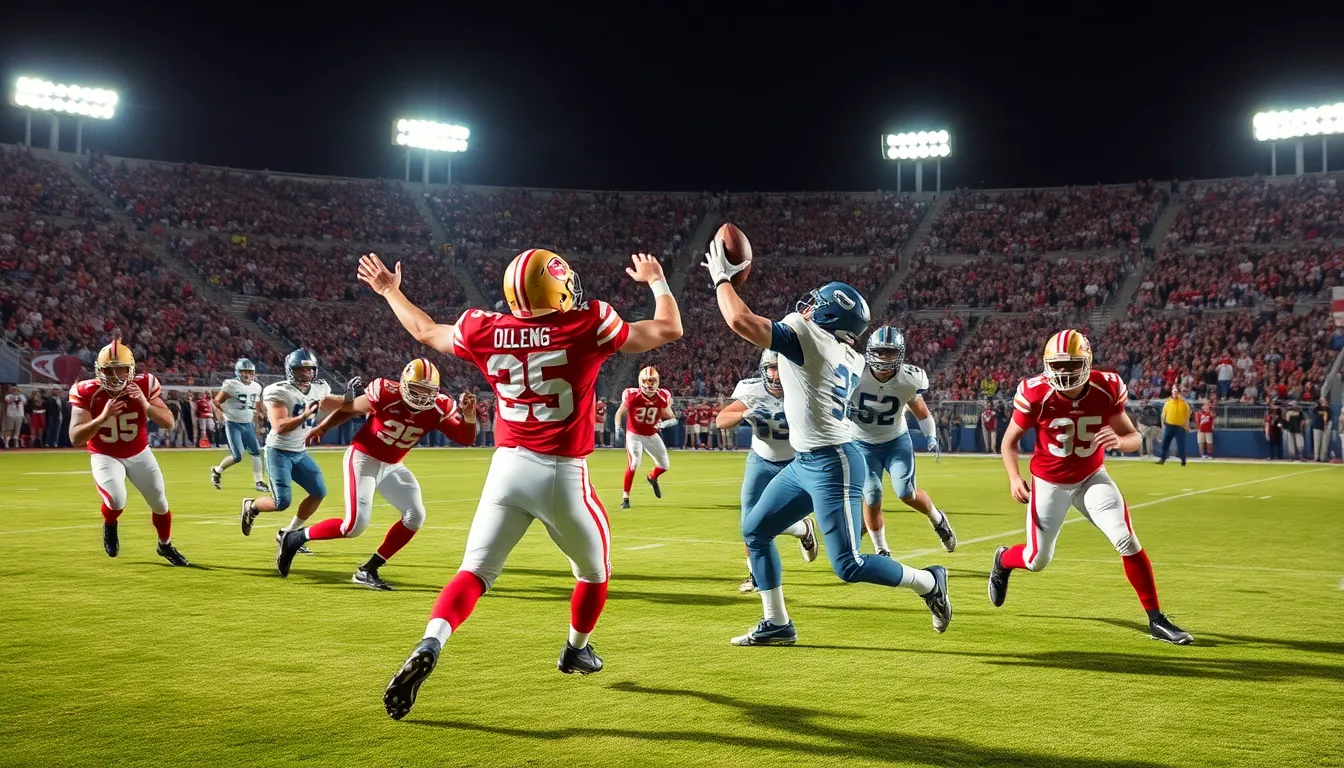
Fantasy football’s scoring history reveals significant changes tied to league formats and player performance metrics. Understanding these shifts provides insight into the highest fantasy football points ever recorded.
Evolution of Scoring Systems
Scoring systems evolved alongside the growing popularity of fantasy football, influencing how players accumulate points. Standard formats once dominated, awarding points primarily for touchdowns and yardage. Later, the points per reception (PPR) format emerged, adding a layer of complexity by rewarding each catch. Other variations, such as super flex and auction leagues, offered even more nuanced scoring opportunities. Adjustments throughout the years reflect a focus on enhancing the gaming experience, ensuring that scoring aligns more closely with actual player contributions.
Impact of Rule Changes
Rule changes in the NFL directly affect fantasy football scoring and player strategies. Adjustments to passing interference and defensive penalties lead to higher point totals for quarterbacks and receivers. Additionally, changes in rushing and receiving statistics, like the introduction of the two-point conversion, increased potential scoring. As the league continues to adapt, fantasy players must stay informed about these changes, as they can significantly influence player value and overall scoring potential in fantasy leagues.
Top Players with Highest Fantasy Football Points Ever
Recognizing top players in fantasy football highlights their contributions to scoring. Each position yields unique stats, influencing overall points.
Quarterbacks
Stars like Patrick Mahomes and Peyton Manning dominate fantasy football scoring among quarterbacks. Their ability to throw for significant yardage and multiple touchdowns elevates their point totals. In 2013, Manning set a record with 5,477 passing yards, netting 406 fantasy points, showcasing why elite quarterbacks matter. Mobile quarterbacks like Lamar Jackson also rack up points through rushing yards, adding another dimension to their scoring potential. Fantasy owners benefit from selecting standout quarterbacks who consistently deliver high performance.
Running Backs
Running backs like Christian McCaffrey and LaDainian Tomlinson rank among the highest scorers in fantasy football history. Unique skills enable them to accumulate points through rushing and receiving statistics. In 2019, McCaffrey recorded 1,387 rushing yards with 15 touchdowns, earning 470 fantasy points. Similarly, Tomlinson’s 2006 season, featuring 28 total touchdowns, generated 481 points, a benchmark for running backs. Consistent running backs provide fantasy teams with stability and high upside potential.
Wide Receivers
Wide receivers contribute significantly to fantasy football success, with players like Jerry Rice and Randy Moss leading the all-time points chart. Their exceptional records demonstrate incredible abilities to catch passes for substantial yardage. Rice’s impressive 1,848 receiving yards in 1995 yielded 408 fantasy points. Moss also delivered remarkable performances, including a 2007 campaign with 1,493 yards and 23 touchdowns, totaling 422 points. Selecting top-tier wide receivers can boost a fantasy team’s scoring capability.
Tight Ends
Tight ends like Rob Gronkowski and Travis Kelce redefine the role, driving unique scoring opportunities. Gronkowski’s 2011 season, featuring 1,327 receiving yards and 17 touchdowns, amassed 305 fantasy points, establishing him as a top performer. Kelce continues to excel, consistently reaching over 1,000 yards each season, solidifying his position among elite scoring tight ends. Reliable tight ends yield significant point totals, reinforcing their importance in roster construction for fantasy leagues.
Memorable Fantasy Football Seasons
Fantasy football seasons become unforgettable through record-breaking performances and key injuries that shape rosters. Players find themselves at the heart of thrilling moments, defining the landscape of fantasy football.
Record-Breaking Performances
Record-breaking seasons leave a lasting impact on fantasy leagues. In 2013, Adrian Peterson amassed 2,097 rushing yards, leading to a staggering 381 fantasy points. Similarly, in 1995, Jerry Rice set wide receiver standards with 184 receptions, totaling 1,848 receiving yards and 15 touchdowns, generating 408 fantasy points. The remarkable performance of LaDainian Tomlinson in 2006, where he scored 31 touchdowns for 486 fantasy points, remains iconic. Such landmark seasons not only inspire fantasy managers but also contribute to the evolution of scoring strategies.
Key Injuries and Their Impact
Key injuries shape league dynamics and team performance. When stars like David Johnson suffered a wrist injury in 2017, it drastically impacted fantasy outcomes. Many managers experienced significant losses, while backups stepped in to fill the void. The absence of players like Saquon Barkley in 2020 due to an ACL tear led to major shifts in roster compositions and strategies. Injuries, while often detrimental, can create opportunities for lesser-known players to shine, altering fantasy football landscapes overnight. Staying ahead of injury news remains essential for successful fantasy team management.
Fantasy football is more than just a game; it’s a dynamic experience that combines strategy and player performance. Understanding scoring systems and historical context enhances a player’s ability to build a winning team. Recognizing the impact of standout athletes and memorable seasons is crucial for making informed decisions.
As the landscape of fantasy football continues to evolve, staying updated on player performances and league changes will ensure competitive advantage. Embracing the excitement of the game while navigating its complexities can lead to success and unforgettable moments throughout the season.