



In a world where toddlers can navigate tablets better than most adults, early childhood education has never been more crucial. The 15th edition of Early Childhood Education Today dives into the vibrant landscape of teaching young minds, blending expert insights with the latest trends. It’s not just about finger painting and snack time anymore—it’s about laying the foundation for lifelong learning.
This edition is packed with fresh perspectives and innovative strategies that’ll make even the most seasoned educators chuckle and nod in agreement. Whether you’re a parent, teacher, or just someone who enjoys watching kids turn everyday objects into toys, this book offers a treasure trove of knowledge. So grab your favorite mug of coffee and get ready to explore the delightful chaos of early education—because who knew learning could be this fun?
Overview of Early Childhood Education Today 15th Edition
“Early Childhood Education Today 15th Edition” emphasizes the evolving landscape of early childhood education. Core principles focus on preparing children for future academic success through interactive and meaningful learning experiences. This edition introduces progressive educational philosophies that align with current research on child development.
Content integrates technology as a tool for learning, recognizing its role in enhancing engagement and skill acquisition. Inclusion of diverse teaching strategies supports children from various backgrounds and learning styles. Readers will find practical examples that demonstrate how to implement these strategies effectively.
Comprehensive coverage of health and wellness issues adds another layer of relevance. Exploring these topics helps educators support holistic development in young children. Details on assessing developmental milestones ensure that educators and parents can track progress and make informed decisions.
The 15th edition also highlights the importance of family and community involvement in education. Engaging families fosters stronger connections between home and school environments. Access to a wide range of resources informs educators and parents on best practices for collaboration.
Overall, this edition reflects a commitment to creating enriching environments where children thrive. It stands as an invaluable resource for professionals and families who prioritize early learning. Emphasis on joy and creativity in learning encourages a lifetime passion for education among young learners.
Key Themes and Concepts

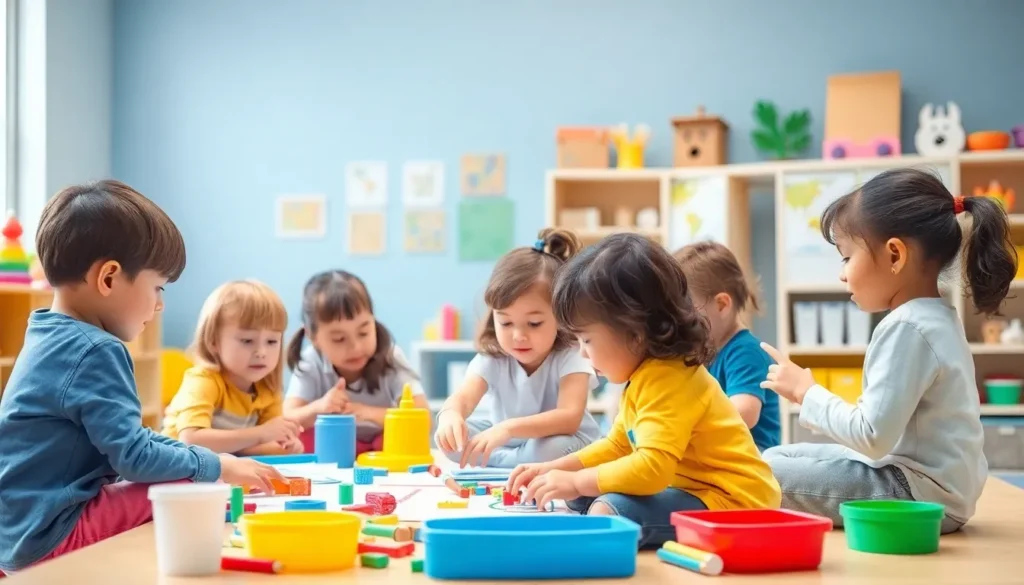
The 15th edition of “Early Childhood Education Today” presents vital themes that shape early learning. These themes underscore the evolving landscape and the necessity for innovative approaches in education.
Importance of Early Childhood Education
Early childhood education plays a crucial role in children’s developmental trajectories. This stage sets the foundation for lifelong learning, impacting cognitive and social skills. Positive experiences during these years lead to enhanced academic performance in later stages. Engaging environments further nurture curiosity and creativity. Research has shown that high-quality early education significantly reduces achievement gaps. Fostering resilience and emotional intelligence during early years promotes healthy development. Moreover, active family involvement enhances educational outcomes and strengthens connections between home and school.
Developmentally Appropriate Practices
Developmentally appropriate practices represent effective strategies for early education. They encourage engagement through play-based learning and cater to diverse needs. Teachers tailor experiences to align with children’s developmental stages. Assessment tools help track individual milestones, ensuring progress for each child. Collaborative approaches in teaching also invite parental involvement. Flexibility in lesson planning enhances responsiveness to children’s interests. Standard practices address cultural relevance, promoting inclusivity in various learning environments. Through these methods, educators create rich educational experiences that resonate with children and families alike.
Changes and Updates in the 15th Edition
The 15th edition of “Early Childhood Education Today” incorporates significant changes that reflect the latest trends and research in early childhood education.
New Research and Findings
Innovative research on early childhood development underpins this edition. Studies indicate the importance of play-based learning, demonstrating its effectiveness for cognitive and social skill development. Current findings highlight the impact of technology on young learners, suggesting that interactive tools can enhance engagement. Additionally, recent studies emphasize the positive role of family involvement in education, correlating active participation with children’s academic success. These insights support educators in adopting evidence-based strategies, making learning experiences more relevant and impactful for young children.
Revised Policies and Standards
Updated policies and standards drive the educational framework in this edition. Enhanced guidelines focus on inclusivity, ensuring that diverse learning needs are met effectively. Changes reflect increased emphasis on health and wellness, prompting educators to address holistic development. Expectations for developmental assessments have evolved, encouraging regular monitoring of children’s growth. Alignment with national early childhood standards strengthens the quality of education programs. These revisions aim to improve educational outcomes, fostering a supportive environment where every child can thrive.
Practical Applications for Educators
Educators can implement practical approaches from the 15th edition of “Early Childhood Education Today” to enhance learning experiences. These strategies foster meaningful engagement and development in early childhood education.
Curriculum Development
Curriculum development should integrate play-based learning, aligning with children’s interests and developmental stages. Including diverse materials encourages exploration and fosters creativity. Additionally, incorporating technology supports interactive learning experiences, allowing children to engage with content in innovative ways. Understanding the importance of social-emotional development, educators can design lessons emphasizing relationship-building and cooperation. This holistic approach promotes not just cognitive growth but also essential interpersonal skills vital for future success.
Assessment Strategies
Assessment strategies must reflect the progression of each child while focusing on their unique developmental milestones. Utilizing observational assessments enables educators to capture authentic learning experiences. Regular check-ins help gauge children’s understanding while providing feedback that fosters growth. Including family input offers a more comprehensive perspective for evaluating progress. Assessments rooted in a child-centric approach support inclusivity, ensuring every child’s strengths and needs are effectively addressed. By prioritizing this continual monitoring, educators can tailor their teaching to enhance each child’s learning journey.