


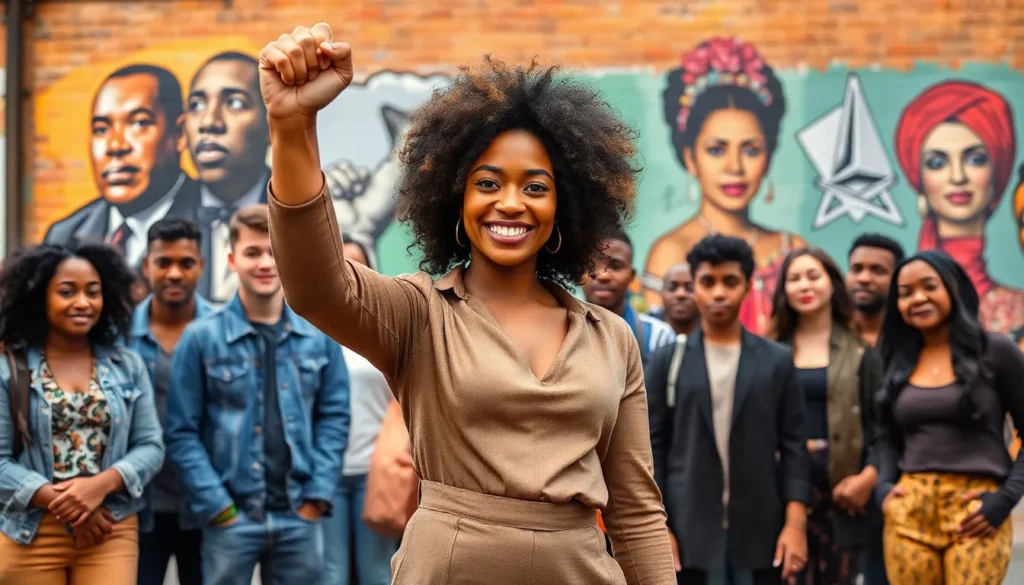
Cultural icons shape societies, influencing beliefs, values, and collective identities. From timeless figures like Marilyn Monroe to contemporary symbols such as Beyoncé, these personalities transcend their fields, leaving indelible marks on culture. Their impact extends beyond mere fame, often sparking conversations about social issues and inspiring movements.
As society evolves, so do its icons. They reflect the zeitgeist, embodying the hopes and struggles of their times. Understanding these figures provides insight into cultural dynamics and the forces that shape our world. This exploration of cultural icons reveals how they resonate across generations, bridging gaps and fostering connections in an increasingly diverse landscape.
Understanding Cultural Icons
Cultural icons serve as powerful symbols that reflect societal values, beliefs, and trends. These figures not only attain fame but also resonate deeply within collective consciousness, influencing various aspects of life.
Definition of Cultural Icons
Cultural icons represent individuals, symbols, or artifacts that embody significant cultural or social qualities. They often transcend their original context, becoming symbols recognized across diverse groups. Examples include artists, activists, and literary characters that resonate deeply with society’s values and aspirations. A cultural icon often emerges from significant achievements or actions, demonstrating a lasting impact on societal norms.
Importance in Society
Cultural icons play a crucial role in shaping social narratives and identity. They can challenge norms, inspire movements, and foster connections among individuals. For example, leaders like Martin Luther King Jr. and figures like Frida Kahlo have inspired social change and encouraged conversations about critical issues. Their stories reflect the hopes, struggles, and transformations of their eras, allowing society to navigate complex dynamics and fostering unity across differences.
Examples of Iconic Figures
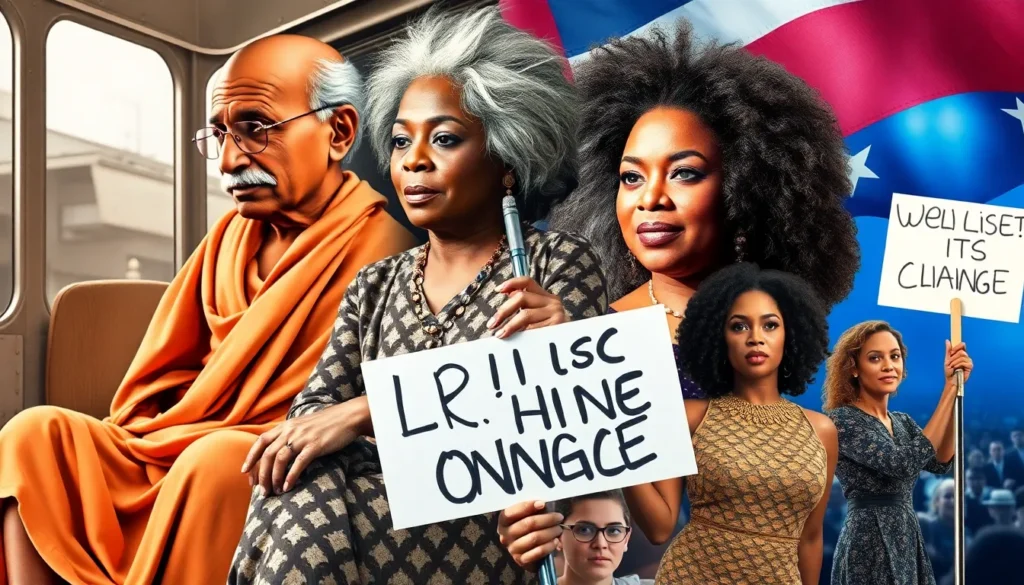
Cultural icons span various eras and influence multiple facets of society. Historical figures and modern influencers each leave a distinct mark, shaping social norms and values.
Historical Figures
Historical figures serve as symbols of cultural paradigms and social change. They inspire generations through their actions and philosophies. Key examples include:
- Mahatma Gandhi: Advocated for nonviolent resistance and led India to independence, promoting civil rights globally.
- Rosa Parks: Her refusal to give up her bus seat became a pivotal moment in the Civil Rights Movement, symbolizing resistance against segregation.
- Albert Einstein: Revolutionized physics with his theory of relativity, influencing science and culture significantly.
Modern Influencers
Modern influencers reflect contemporary values while invoking meaningful dialogues. Their platforms amplify messages on social and political issues. Noteworthy figures include:
- Oprah Winfrey: Transformed media, using her platform to address topics like mental health and education, fostering societal change.
- Greta Thunberg: Advocates for climate action, mobilizing youth globally to fight against climate change and promote sustainability.
- Beyoncé: Combines artistry with activism, addressing gender and racial equality through her music and public statements.
These historical and modern figures exemplify the enduring impact of cultural icons across time and societal shifts.
The Impact of Cultural Icons
Cultural icons significantly influence societies, shaping popular culture and identity. Their presence encourages critical dialogue and reflection, making their impact far-reaching.
Influence on Popular Culture
Cultural icons such as Madonna, Elvis Presley, and Michael Jackson have shaped trends in music, fashion, and art. They often set standards that others emulate, from dance styles to fashion choices. For instance, Beyoncé’s visual album “Lemonade” inspired discussions on race, gender, and empowerment. Through their work, these icons can alter public perceptions and consumer behavior, driving the popularity of various movements not only in entertainment but also in other industries.
Shaping Identity and Values
Cultural icons play a crucial role in defining both individual and collective identities. Figures like Nelson Mandela and Malala Yousafzai inspire communities to embrace social justice and education. They challenge stereotypes, encouraging people to rethink existing norms and values. This vision fosters a sense of belonging and purpose among their followers, creating a shared narrative that connects diverse groups. Icons resonate on emotional levels, reinforcing values such as resilience, courage, and innovation, and inspiring future generations to advocate for change.
Critiques of Cultural Icons
Cultural icons often provoke debate regarding their significance and representation. Several critiques emerge, revealing the complexities around their roles in society.
Controversies Surrounding Icons
Controversies frequently arise concerning cultural icons, often leading to polarized opinions. Critiques may focus on the commodification of iconic figures, questioning whether their true essence is diluted for profit. For instance, Marilyn Monroe’s image often commercialized, raises discussions about the exploitation of female representation. Additionally, icons can embody conflicting values; while some champion civil rights, others may promote consumerism or individualism, creating tension among admirers. Figures such as John Wayne and Christopher Columbus illustrate this duality, as their legacies include both celebration and scrutiny due to historical perspectives on race and colonization. Such controversies highlight the need for critical engagement with the narratives surrounding these figures to better understand their multifaceted impacts.
The Role of Media in Icon Creation
Media plays a pivotal role in shaping and sustaining cultural icons. Through various channels, from television to social media, media platforms curate narratives that elevate certain individuals or artifacts to iconic status. For example, coverage of celebrities like Beyoncé often emphasizes her activism in conjunction with her artistry, framing her as a multifaceted icon. The media’s influence can also lead to the creation of discrepancies between public perception and reality, as public relations efforts manage the images of these figures. As a result, the portrayal of cultural icons can shift drastically based on the media’s focus, fueling conversations about authenticity and representation. Studies show that iconic status can be enhanced or diminished based on media narratives, underscoring the symbiotic relationship between cultural icons and media portrayal.
Cultural icons play a vital role in shaping societal narratives and collective identities. They reflect the values and struggles of their times while inspiring conversations around critical social issues. These figures transcend their original contexts, resonating across diverse groups and fostering connections that promote unity.
As society continues to evolve, so will its icons, adapting to new challenges and ideals. The impact of these cultural symbols is profound, serving not just as representations of fame but as catalysts for change. By understanding their complexities, individuals can better appreciate the influence cultural icons have on shaping a more inclusive and reflective society.