


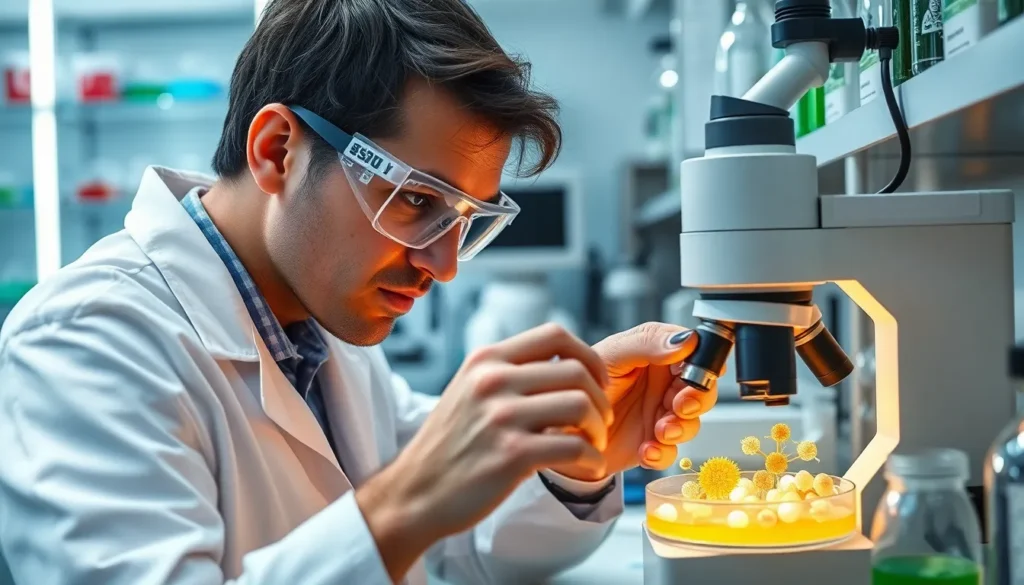
Biotechnology is at the forefront of scientific innovation, transforming industries from healthcare to agriculture. As researchers unlock the potential of living organisms, the implications for society are profound. New breakthroughs in genetic engineering, synthetic biology, and biopharmaceuticals are not just reshaping how we approach disease treatment but also how we produce food sustainably.
Staying updated on the latest biotechnology news is essential for anyone interested in the future of science and technology. With rapid advancements occurring daily, understanding these developments can provide insights into emerging trends and potential ethical considerations. This article will explore the most significant recent breakthroughs and trends in biotechnology, highlighting their impact and relevance in today’s world.
Overview of Biotechnology News
Biotechnology news covers advancements in technology, research, and application within the field. Reports frequently highlight breakthroughs in genetic engineering, emphasizing techniques like CRISPR-Cas9, which allow precise gene editing. Innovations in synthetic biology contribute significantly to developing new materials and sustainable practices.
Regenerative medicine showcases progress in stem cell research, providing insights into treatments for previously incurable diseases. Furthermore, the biopharmaceutical sector experiences significant growth, with new therapies and vaccines emerging to tackle diseases more effectively.
Recent news also addresses ethical considerations surrounding biotechnology. Discussions focus on gene editing, bioweapons, and the potential for genetic discrimination. Staying updated with biotechnology news enables individuals, professionals, and organizations to understand these critical developments and their societal impact.
Key areas of interest in biotechnology news include:
- Healthcare: New diagnostic tools and treatment options.
- Agriculture: Improved crop yields and pest-resistant plants.
- Environmental Science: Bioremediation and sustainable practices.
- Regulatory Changes: New policies affecting biotechnology research and application.
Following reputable sources for biotechnology news provides the latest facts and insights into the rapid evolution of this field.
Recent Breakthroughs in Biotechnology
Biotechnology continues to evolve rapidly, marking significant advancements across various domains. Recent breakthroughs in gene editing and synthetic biology offer exciting possibilities for healthcare and sustainable practices.
Gene Editing Innovations
Gene editing technology, particularly CRISPR-Cas9, has witnessed significant advancements. Researchers successfully edited genes to combat genetic disorders like sickle cell anemia and cystic fibrosis. In 2023, a clinical trial demonstrated the potential of CRISPR to eradicate certain cancers by modifying immune cells. Other techniques, such as base editing and prime editing, have emerged, allowing for even more precise alterations without introducing double-strand breaks. These innovations expand the scope of therapeutic applications and enhance understanding of genetic mechanisms.
Advances in Synthetic Biology
Synthetic biology has led to the creation of novel organisms and metabolic pathways. Recent studies reported engineered microbes capable of producing biofuels and biodegradable plastics, reducing reliance on fossil fuels. Advances in genome synthesis now allow for the design of entire synthetic chromosomes, facilitating the development of customized organisms for specific tasks. Additionally, researchers are exploring the use of synthetic biology in vaccine production, with engineered platforms yielding rapid responses to emerging pathogens. These advancements demonstrate the potential for synthetic biology in addressing global challenges, including environmental sustainability and health care efficiency.
Impact of Biotechnology on Health
Biotechnology significantly transforms health by introducing innovative treatments and therapies. It also accelerates vaccine development, addressing emerging health challenges.
New Treatments and Therapies
Biotechnology leads to novel treatments and therapies that target diseases at the molecular level. Advancements in gene therapy allow for the correction of genetic defects, with examples including therapies for conditions like hemophilia and muscular dystrophy. Personalized medicine utilizes genetic profiling to tailor treatments based on individual patient needs, improving efficacy. Additionally, biopharmaceuticals consist of monoclonal antibodies that offer targeted approaches to treat cancers, autoimmune diseases, and infectious diseases. The integration of artificial intelligence in drug discovery speeds up the identification of potential therapies, reducing development timelines significantly.
Vaccine Development Highlights
Vaccine development has seen remarkable progress due to biotechnology. mRNA technology, exemplified by the COVID-19 vaccines, showcases rapid development capabilities, enabling swift responses to new viral threats. Biotechnology enables the creation of recombinant vaccines, combining viral proteins with harmless carriers, enhancing immune responses. Moreover, platform technologies facilitate the rapid design and production of vaccines against emerging pathogens, with ongoing research exploring vaccines for diseases like Zika virus and HIV. The focus on next-generation vaccines aims for broader and longer-lasting immunity, enhancing public health resilience in global populations.
Trends Shaping the Biotechnology Industry
Rapid advancements in biotechnology continue to drive transformative changes across numerous sectors. Key trends, including developments in CRISPR technology and environmental applications, highlight the industry’s evolving landscape.
CRISPR Technology Developments
Recent developments in CRISPR technology showcase its expanding capabilities in gene editing. Enhanced precision and efficiency in CRISPR-Cas9 techniques allow for targeted modifications in plant and animal genes. As new variants, such as CRISPR-Cas12 and CRISPR-Cas13, emerge, they offer improved specificity and reduced off-target effects. Ongoing clinical trials are evaluating CRISPR applications for genetic disorders like muscular dystrophy and beta-thalassemia, showing promising results in correcting mutations. Regulatory approval for these interventions signifies significant progress toward mainstream acceptance and therapeutic use.
Environmental Applications of Biotechnology
Biotechnology’s environmental applications are gaining momentum, particularly in addressing ecological challenges. Engineered microorganisms are being developed to degrade pollutants, including plastics and heavy metals, demonstrating potential for bioremediation efforts. Innovations in biofuels, such as algae-based systems, provide sustainable energy alternatives that reduce carbon footprints. Additionally, biodegradable plastics created through biotechnological processes contribute to reducing waste and promoting sustainability. These advancements emphasize biotechnology’s role in fostering environmental stewardship and resource efficiency while addressing pressing global challenges.
Future Directions in Biotechnology
Advancements in biotechnology are paving the way for innovative solutions across multiple sectors. Focus areas include gene editing, synthetic biology, and personalized medicine.
- Gene Editing Innovations: Researchers are enhancing CRISPR technology to improve precision in gene editing. Emerging variants like CRISPR-Cas12 and CRISPR-Cas13 display higher specificity and reduced off-target effects. Clinical trials are underway to explore effective applications for genetic disorders and cancer treatments.
- Synthetic Biology Applications: The development of engineered organisms is gaining traction. These organisms produce sustainable materials, biofuels, and biodegradable plastics. Continued progress in synthetic biology aims to create solutions for environmental problems and contribute to resource efficiency.
- Personalized Medicine Developments: The integration of genetic profiling in healthcare is progressing rapidly. Tailored treatments are becoming common for conditions such as cancer and genetic disorders. Advances in artificial intelligence accelerate drug discovery, enhancing the identification of potential therapies.
- Vaccine Technology Enhancements: mRNA technology has revolutionized vaccine development. Rapid responses to viral threats showcase its effectiveness, particularly during the COVID-19 pandemic. Research continues on next-generation vaccines, aiming for broader and longer-lasting immunity.
- Regenerative Medicine Prospects: Stem cell research holds potential for treating previously incurable diseases. Ongoing studies focus on improving techniques to harness the healing capabilities of stem cells for various medical conditions.
- Ethical Considerations: Attention to ethical concerns regarding genetic manipulation and bioweapons remains critical. Industry stakeholders prioritize establishing guidelines that address these ethical dilemmas, promoting responsible practices in biotechnology.
- Collaboration and Regulation: Increased collaboration between academia and industry enhances innovation. Regulatory frameworks are evolving to support research while ensuring safety and compliance. This balance is crucial as new techniques and therapies emerge.
Emerging trends in biotechnology highlight its transformative potential. Staying informed on these developments ensures awareness of their implications for healthcare, agriculture, environmental science, and ethical considerations.
Biotechnology continues to shape the future of various industries with its remarkable advancements. From groundbreaking gene editing techniques to innovative vaccine development, the field is evolving rapidly. Staying informed about the latest biotechnology news is crucial for understanding these changes and their implications.
As new technologies emerge and ethical considerations evolve, the potential for biotechnology to address global challenges becomes increasingly significant. The ongoing collaboration between researchers, regulators, and society will play a vital role in ensuring that these advancements are harnessed responsibly. Keeping up with developments in biotechnology not only highlights its transformative power but also emphasizes the importance of informed dialogue around its applications and ethical dimensions.