


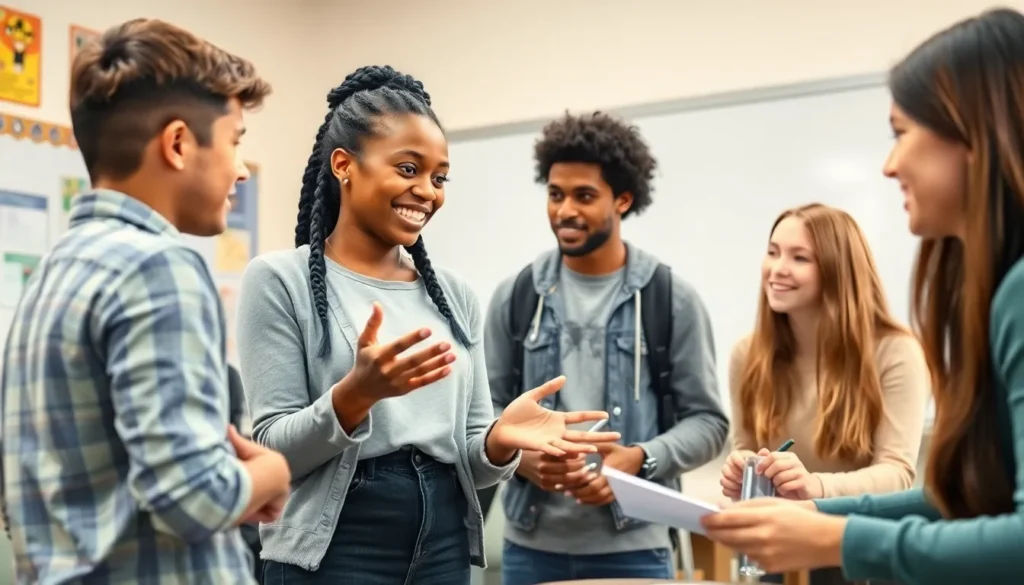
Classroom interactions play a crucial role in shaping the learning experience for students. These dynamic exchanges between teachers and students foster an environment where knowledge is shared, ideas are challenged, and critical thinking is nurtured. Effective interactions not only enhance academic performance but also promote social skills and emotional growth.
In today’s diverse classrooms, understanding the nuances of these interactions is more important than ever. From group discussions to one-on-one feedback, each moment offers opportunities for engagement and connection. By exploring the various types of classroom interactions, educators can create a more inclusive and stimulating atmosphere that encourages active participation and collaboration among students.
Understanding Classroom Interactions
Understanding classroom interactions is essential for enhancing student learning. These exchanges play a critical role in fostering engagement, collaboration, and effective communication.
Definition of Classroom Interactions
Classroom interactions refer to the communication exchanges that occur between teachers and students during instructional activities. These interactions include verbal exchanges, non-verbal cues, and collaborative tasks. Engaging in discussions, asking questions, and providing feedback exemplify how these interactions manifest in an educational setting. Properly defined, they encompass both formal and informal interactions that contribute to the learning environment.
Importance of Classroom Interactions
Classroom interactions are vital for several reasons:
- Promote Engagement: Active participation in discussions increases student motivation and attentiveness.
- Enhance Critical Thinking: Discussing ideas and debating viewpoints encourages students to think critically and develop problem-solving skills.
- Support Knowledge Retention: Regular interactions help reinforce concepts, making it easier for students to retain information.
- Foster Social Skills: Collaborative activities enhance communication, teamwork, and social interactions among classmates.
- Encourage Inclusivity: Diverse classroom interactions cater to different learning styles, promoting inclusivity and understanding within a multicultural setting.
Recognizing these elements highlights the value of fostering positive interactions in the classroom to create a conducive learning atmosphere.
Types of Classroom Interactions
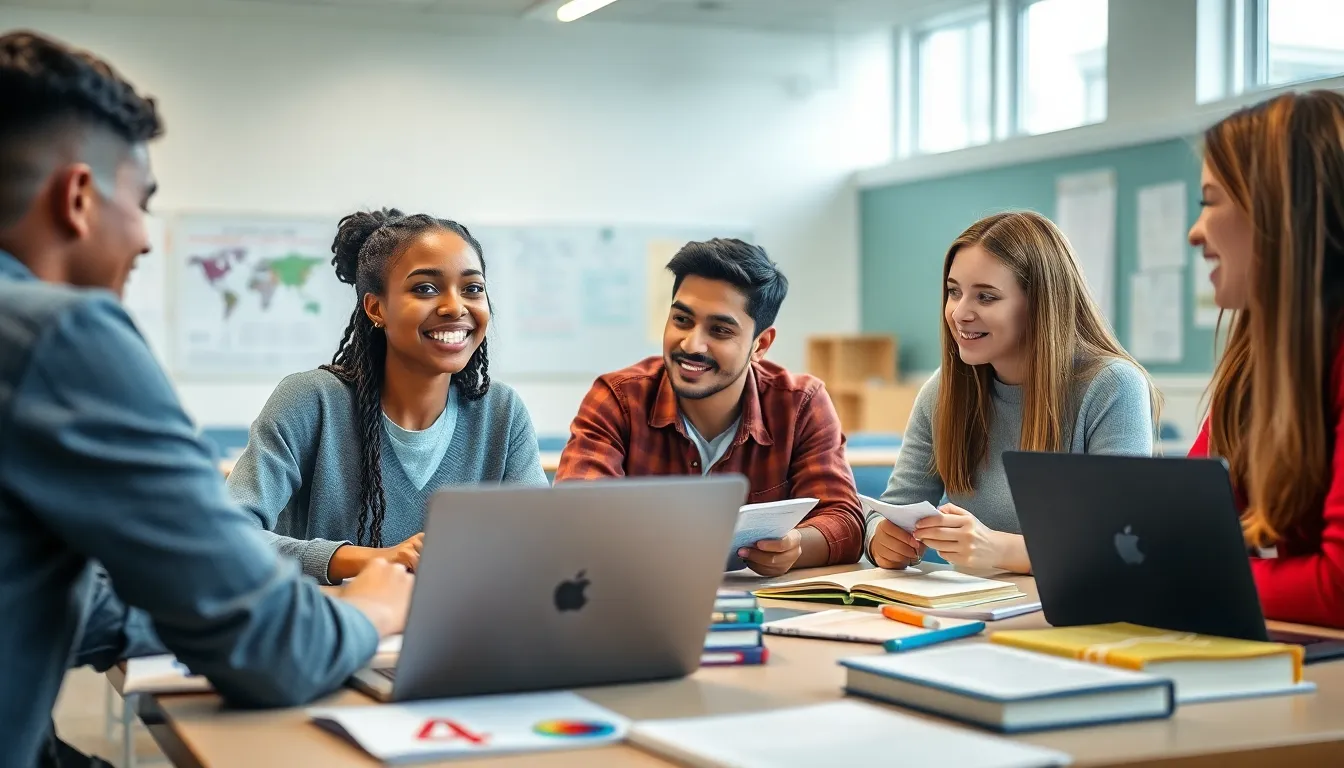
Classroom interactions can be categorized into three main types: teacher-student interactions, student-student interactions, and technology-mediated interactions. Each type plays a vital role in enhancing the learning experience.
Teacher-Student Interactions
Teacher-student interactions involve direct communication between educators and learners. This type includes verbal exchanges during lessons, feedback provided on assignments, and mentorship opportunities. Key aspects include:
- Questioning Techniques: Teachers engage students with open-ended questions to promote critical thinking and encourage deeper understanding.
- Feedback Mechanisms: Timely and constructive feedback helps students recognize strengths and areas for improvement.
- Supportive Atmosphere: Establishing a rapport enhances student confidence and participation, fostering a welcoming environment for learning.
Student-Student Interactions
Student-student interactions facilitate peer-to-peer communication and collaboration. This type fosters critical skills essential for teamwork and social learning. Key components include:
- Group Work: Collaborative projects allow students to share diverse perspectives and develop problem-solving skills collectively.
- Peer Feedback: Students provide insights on each other’s work, encouraging constructive criticism and reflective thinking.
- Discussions: Small group discussions promote debate and dialogue, enhancing understanding of complex topics through multiple viewpoints.
Technology-Mediated Interactions
- Virtual Classrooms: Online platforms facilitate interaction among students and teachers, regardless of physical location.
- Interactive Tools: Applications like educational games and quizzes promote active participation and immediate feedback.
- Discussion Forums: Online forums provide students with a space to share ideas, ask questions, and support each other’s learning asynchronously.
Impact of Classroom Interactions on Learning
Classroom interactions significantly influence student learning and development. Engaging in various forms of communication affects academic achievement and personal growth.
Academic Outcomes
Classroom interactions directly impact academic outcomes by enhancing comprehension and retention. Active participation in discussions leads to improved critical thinking and problem-solving skills. Research indicates that students involved in collaborative learning environments achieve a 20% higher retention rate compared to those in traditional settings. Effective questioning techniques employed by teachers foster deeper understanding, while timely feedback allows students to identify areas for improvement. Engaging with peers during group work supports the acquisition of diverse perspectives, promoting a well-rounded educational experience.
Social and Emotional Development
Classroom interactions also contribute to social and emotional development. Positive relationships formed through peer collaboration help build communication skills and emotional intelligence. Students participating in group discussions exhibit higher levels of empathy and respect for differing viewpoints. An inclusive classroom environment encourages risk-taking and self-expression, reducing anxiety related to participation. Studies show that students with strong social skills demonstrate improved academic performance, as they feel more connected to their learning community. Building these interactions not only enhances student morale but also fosters resilience in facing challenges.
Strategies to Enhance Classroom Interactions
Enhancing classroom interactions requires targeted strategies that encourage engagement and collaboration. Implementing effective techniques can significantly improve both teaching and learning experiences.
Active Learning Techniques
Active learning techniques promote student participation and involvement in the learning process.
- Think-Pair-Share: Students think about a question, pair with a peer to discuss their thoughts, and share insights with the larger group. This approach fosters critical thinking and collaboration.
- Problem-Based Learning: Real-world problems stimulate inquiry and encourage students to work collaboratively to find solutions. Students enhance their analytical skills while embracing diverse perspectives.
- Role-Playing: Students assume roles in simulations that relate to curriculum topics. This technique allows for experiential learning and develops empathy through perspective-taking.
- Interactive Lectures: Incorporating short activities during lectures, such as polls or quizzes, keeps students engaged and reinforces understanding. These activities can lead to improved retention of material.
Collaborative Learning Approaches
Collaborative learning approaches focus on group dynamics to enhance knowledge sharing.
- Group Projects: Students work in teams to accomplish specific tasks or presentations. This method reinforces teamwork skills and generates diverse ideas.
- Peer Teaching: Students explain concepts to classmates. Teaching others reinforces their own understanding while improving communication skills.
- Discussion Groups: Structured discussions around course content encourage critical thinking and open dialogue. These groups create a safe space for expressing thoughts and refining ideas.
- Online Collaborative Platforms: Utilizing tools like Google Docs or discussion boards allows students to collaborate in real-time, promoting inclusion and engagement regardless of physical location.
Classroom interactions play a vital role in shaping educational experiences. They not only enhance academic learning but also support the development of essential social and emotional skills. By fostering a collaborative environment through various interaction types, educators can significantly impact student engagement and retention.
Implementing effective strategies encourages active participation and inclusivity, allowing students to thrive. As teachers and students navigate these dynamic exchanges, they create a more enriching and supportive learning atmosphere. Ultimately, prioritizing positive classroom interactions leads to a more effective and fulfilling educational journey for all involved.