


In a world where knowledge is power, enhancing learning has never been more crucial. With the rapid pace of change in technology and information, individuals seek effective strategies to absorb and retain knowledge. Learning enhancement isn’t just about studying harder; it’s about studying smarter.
Innovative techniques and tools can transform the way people engage with information, making learning more efficient and enjoyable. From interactive platforms to personalized learning experiences, the options are endless. By exploring these methods, learners can unlock their full potential and achieve their goals faster than ever before.
What Is Learning Enhancement?
Learning enhancement refers to strategies and techniques aimed at improving the effectiveness and enjoyment of the educational process. This concept encompasses a variety of methods designed to engage learners more deeply, making knowledge acquisition more efficient.
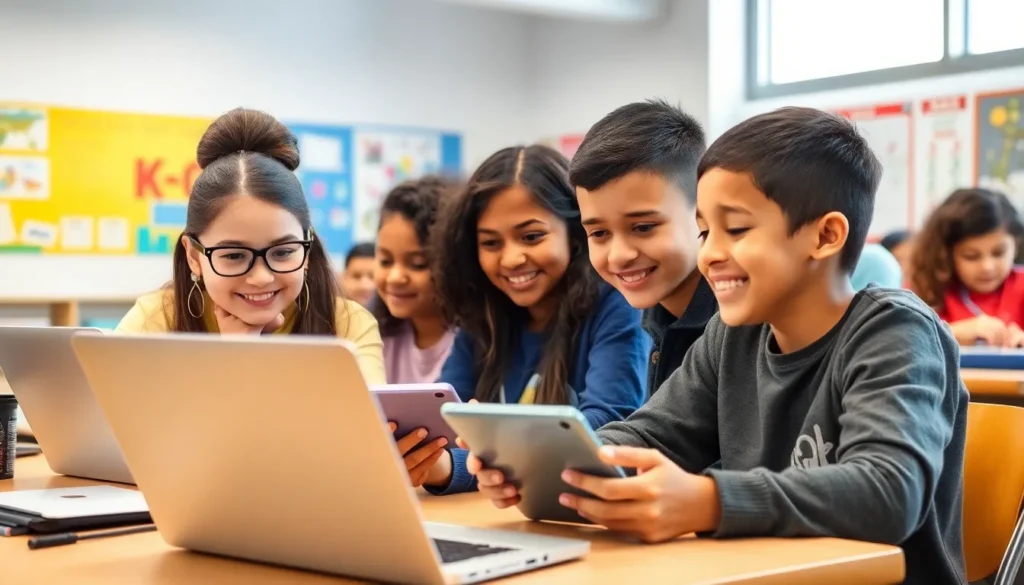
Interactive platforms play a significant role in learning enhancement. These platforms foster engagement by encouraging participation through quizzes, discussions, and real-time feedback. Personalized learning experiences also enhance learning. Tailoring content to individual needs helps learners grasp complex concepts at their own pace, increasing retention and understanding.
Additional tools, such as multimedia resources and gamification, contribute to learning enhancement. Multimedia resources offer diverse ways to present information, appealing to different learning styles. Gamification introduces elements of competition and rewards, motivating learners to stay involved.
Overall, learning enhancement leverages innovative approaches to create a more dynamic and effective educational experience.
Importance Of Learning Enhancement
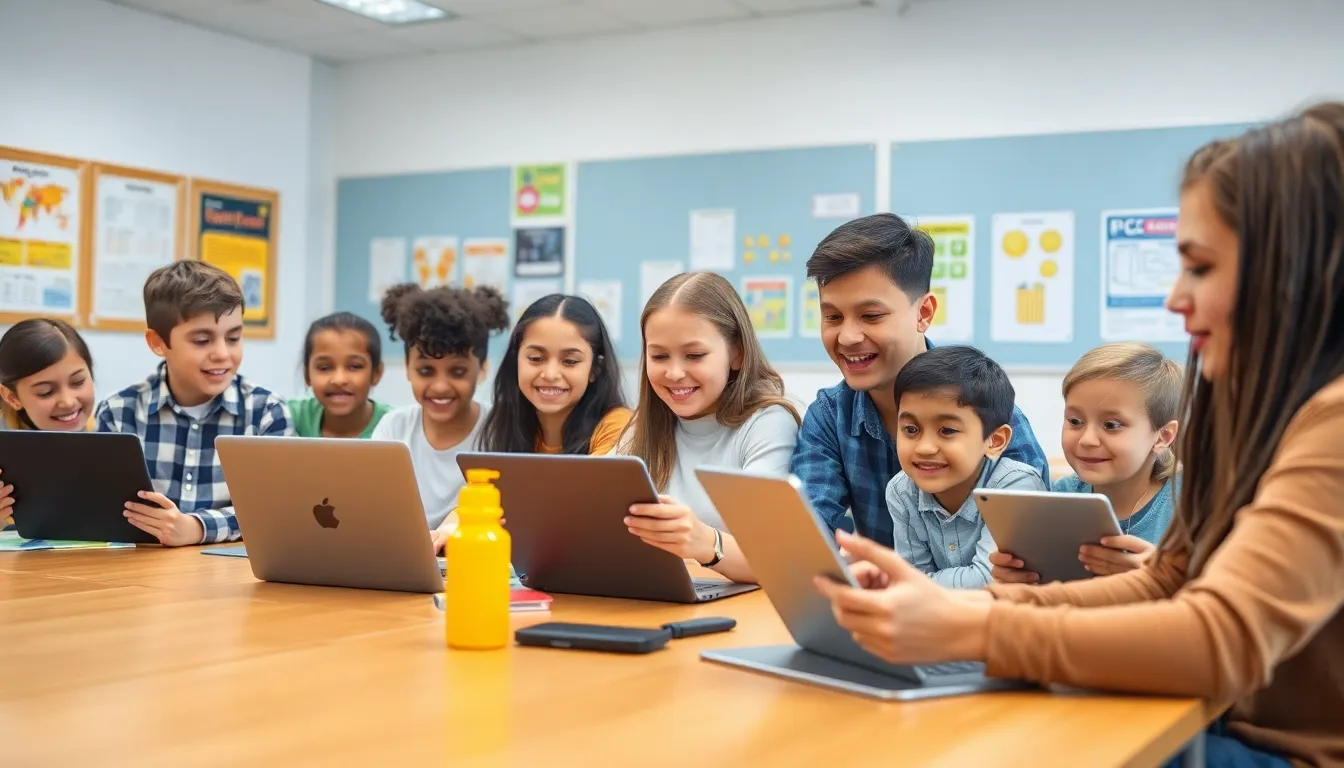
Learning enhancement plays a pivotal role in modern education, fostering deeper understanding and engagement among learners. It offers significant advantages for both students and educators.
Benefits For Students
- Improved Engagement: Interactive platforms capture attention through quizzes, discussions, and real-time feedback.
- Personalized Learning: Tailored content addresses individual needs, supporting mastery of challenging subjects.
- Enhanced Retention: Multimedia resources cater to various learning styles, leading to better information retention.
- Increased Motivation: Gamification elements, such as rewards and competition, encourage sustained interest in studies.
- Faster Skill Acquisition: Innovative techniques facilitate the mastery of skills more efficiently, allowing learners to meet their goals quicker.
Benefits For Educators
- Effective Teaching Strategies: Learning enhancement introduces diverse methods that improve instructional effectiveness.
- Greater Student Insights: Enhanced engagement tools provide valuable feedback, helping educators identify student needs and adapt accordingly.
- Streamlined Assessment: Real-time analytics simplify tracking progress, making it easier to assess students’ understanding continuously.
- Enriched Classroom Environment: Interactive techniques create a dynamic atmosphere that promotes collaboration among students.
- Professional Development: Exposure to innovative learning strategies supports ongoing educator growth and teaching excellence.
Strategies For Learning Enhancement
Effective strategies for learning enhancement leverage various techniques to improve educational outcomes. These methods incorporate technology, active learning, and personalized approaches to create a more engaging experience.
Technology Integration
Technology integration enriches the learning experience by utilizing tools like online platforms, educational apps, and digital resources. It facilitates interactive learning through multimedia presentations, virtual simulations, and educational games. For instance, platforms such as Google Classroom or Kahoot! enhance student engagement with real-time feedback and collaborative tasks. Furthermore, analytics tools help educators monitor progress and adjust teaching methods based on individual data.
Active Learning Techniques
Active learning techniques promote participation and critical thinking among learners. Methods such as group discussions, case studies, and problem-based learning encourage students to collaborate and apply concepts in real-world scenarios. Research shows that engaging in hands-on activities leads to better retention and understanding. Additionally, techniques like peer teaching allow students to explain concepts to each other, reinforcing their knowledge and building confidence.
Personalized Learning Approaches
Personalized learning approaches tailor educational experiences to meet individual needs and preferences. By assessing students’ strengths, weaknesses, and learning styles, educators can create customized learning plans. Tools like adaptive learning software provide resources that adjust in difficulty based on performance. This tailored approach increases motivation and allows learners to progress at their own pace, resulting in deeper comprehension and skill acquisition.
Challenges In Implementing Learning Enhancement
Implementing learning enhancement strategies presents various challenges that can hinder effective execution. These challenges often stem from institutional barriers and resistance to change.
Institutional Barriers
Institutional barriers significantly impact the implementation of learning enhancement strategies. Limited funding restricts access to the latest technologies and resources. Rigid administrative structures can hinder innovation, as decision-making processes may prevent the adoption of new methodologies. Additionally, inadequate professional development for educators often leaves them unprepared to utilize new tools effectively. Compliance with accreditation standards can further constrain flexibility in curriculum design. Each of these factors complicates efforts to enhance the learning experience.
Resistance To Change
Resistance to change manifests in various ways within educational settings. Educators may feel apprehensive about integrating new technologies or innovative teaching methods due to a lack of familiarity or perceived threats to their existing practices. Students might resist changes to their learning environment, especially if they feel comfortable with traditional approaches. Parents and community stakeholders may express skepticism regarding new strategies, questioning their effectiveness or requiring extensive evidence before supporting implementation. This resistance can slow progress and limit the potential benefits of learning enhancement initiatives.
Embracing learning enhancement is essential for navigating the complexities of modern education. By integrating innovative techniques and tools, individuals can transform their educational experiences into something more engaging and effective. The focus on personalized learning and active participation fosters a deeper understanding and retention of knowledge.
While challenges exist in implementing these strategies, the potential benefits for both students and educators are substantial. With the right support and commitment to change, the journey toward enhanced learning can lead to remarkable achievements. Ultimately, prioritizing learning enhancement not only empowers individuals but also enriches the entire educational landscape.